Concrete Foundations & Flatwork in Logan, Utah
Footings, foundations and slabs poured level, square and to code — for garages, shops, sheds, additions and new builds across Cache Valley. Tell us about your project and we’ll work to connect you with a licensed local concrete contractor.
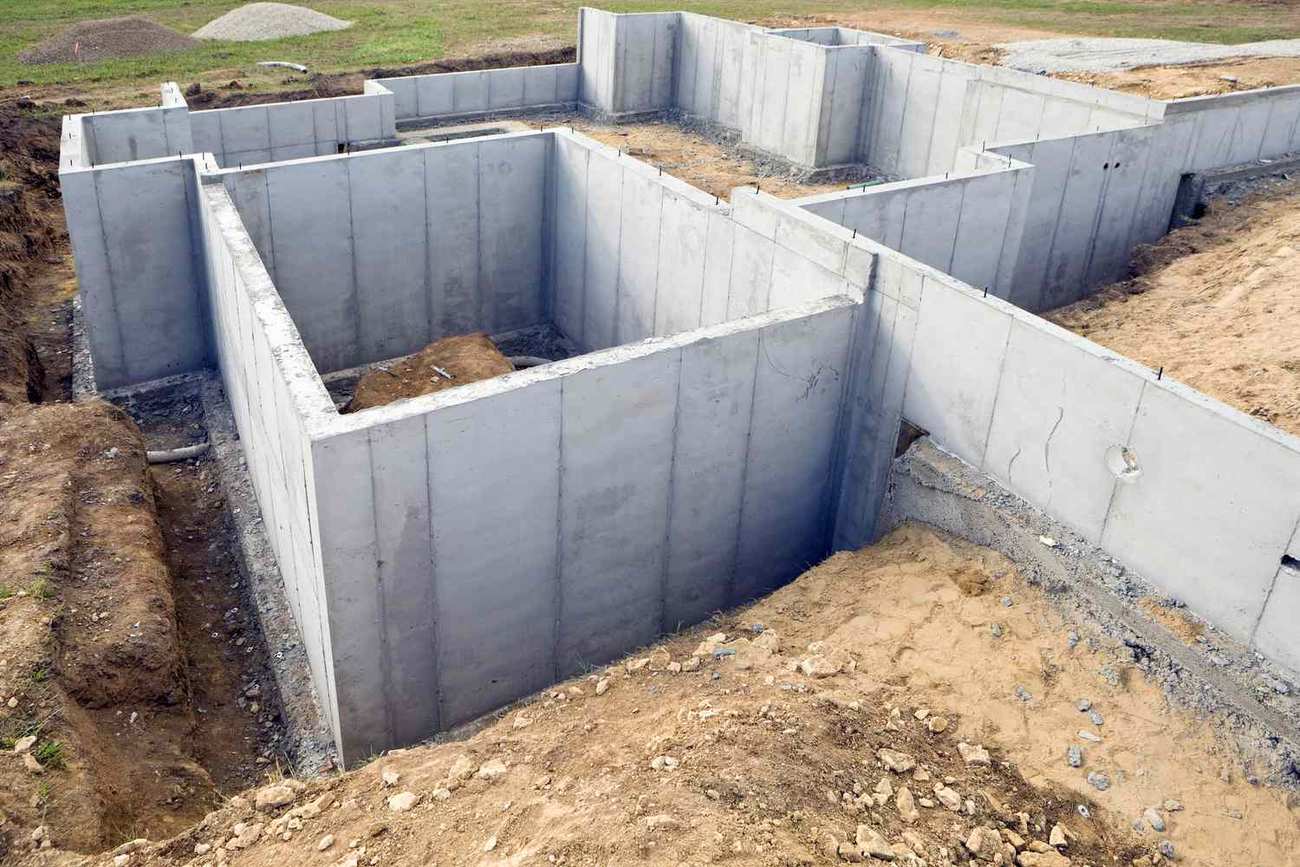
Concrete Foundations, Footings & Flatwork in Cache Valley
The foundation is the most important concrete on any property — everything else sits on top of it. It has to be level, square, properly reinforced, and built for Utah’s frost depth and soils, or the whole structure pays for it later. Cache County Concrete helps builders and homeowners across Logan, North Logan, Smithfield, Providence, Hyrum, Nibley and Cache Valley find licensed local contractors who pour footings, foundation walls and structural flatwork for homes, garages, shops and additions.
Foundation & Flatwork Services
- Footings — poured below the frost line to prevent heaving.
- Foundation & stem walls — formed, reinforced and poured to spec.
- Basement & garage slabs — flat, level structural floors.
- Shop, shed & RV pads — thicker, reinforced slabs for heavy loads.
- Monolithic slabs — slab-on-grade for outbuildings and additions.
Why Proper Foundation Work Matters Here
Cache Valley’s cold winters and variable soils make foundation details critical:
- Frost depth — footings must sit below the frost line so they don’t heave and crack when the ground freezes.
- Soil & compaction — the ground has to be evaluated and compacted so the foundation doesn’t settle unevenly.
- Reinforcement — properly placed rebar ties the foundation together and resists cracking.
- Drainage — grading and drainage keep water away from the footings and walls.
Get these right and the structure stands square and solid for generations.
What Does a Concrete Foundation Cost?
Foundation cost varies widely with the type and size of the project — a simple shed slab is a very different job from a full basement foundation. The main factors are square footage, wall height and thickness, footing depth, reinforcement, excavation and the amount of site prep your soil requires. Because of that range, the right way to price a foundation is an on-site evaluation. The licensed contractor you’re referred to provides a free, detailed quote for your specific plans.
The Foundation Process
- Site evaluation & layout — the contractor reviews plans, checks soil and drainage, and stakes the layout square.
- Excavation — footings and the foundation area are dug to the correct depth.
- Footings — poured below the frost line with rebar to spec.
- Forming & reinforcement — walls formed and rebar placed per the plans and code.
- Pour & finish — walls and slabs poured with the correct mix and finished flat and level.
- Strip, cure & backfill — forms stripped, concrete cured to strength, and the site backfilled and graded.
A good contractor coordinates with your general contractor and the required inspections so the foundation passes and your build stays on schedule.
Foundations FAQ
How deep do footings need to be in Utah?
Footings must extend below the local frost line so the ground freezing and thawing can’t heave them. In the Cache Valley area that’s typically around 30 inches, but contractors build to the depth your local code and plans require.
How much does a foundation cost?
It depends heavily on the type and size — a shed slab versus a full basement are very different jobs. Square footage, wall height, footing depth, reinforcement and excavation all factor in. The contractor provides a free, detailed quote for your specific plans.
How long before we can build on it?
Concrete reaches enough strength to build on within several days to a week depending on conditions, and full strength at about 28 days. Your contractor advises on timing for your specific project and inspections.
Are permits and inspections handled?
Contractors build to code and coordinate with your general contractor and the required inspections so the footings and foundation pass. Permitting is usually pulled by the GC or owner, and the contractor works within it.
How thick should a garage or shop slab be?
A standard garage slab is typically 4 inches; shop floors and slabs that carry heavy equipment, lifts or RVs get more thickness and reinforcement. The slab is sized to how you’ll use it.
My foundation has cracks — can that be fixed?
Some cracking is normal; structural or widening cracks and settling need evaluation. Repair or leveling is often possible — see the concrete repair page, and the contractor can give you an honest assessment.
Please note: Cache County Concrete is a free lead-referral and information service, not a licensed contractor, and does not perform concrete work. All quotes and work are provided by independent, licensed local contractors. Verify licensing and insurance directly with the contractor before any work begins.
Footings & Frost Depth: Why It Matters in Northern Utah
The single most important thing about a foundation in our climate is that footings have to sit below the frost line. When the ground freezes and thaws, soil heaves — and a footing placed too shallow gets lifted and dropped season after season, cracking the structure above it. Cache Valley winters are cold enough that footings need to go well deeper than they would in a mild climate, and they’re built to local code for exactly this reason.
Just as important is what’s underneath and around the concrete: a properly compacted base, drainage that moves water away from the foundation, a vapor barrier under interior slabs, and rebar sized to the load. Skip those steps and you get the settling and cracking that shows up as a repair later. A good contractor does them right the first time.
Need a Foundation or Slab?
Tell us about your project and we’ll work to connect you with a licensed local concrete contractor anywhere in Cache Valley for a free, no-obligation quote.